
Searching the Douglas County Court Docket
Douglas County has no docket database of its own. Nebraska runs one statewide system instead. The JUSTICE Case Search information service is where a Douglas County court docket search starts. A search there can pull up Case Detail, a Party Listing, offense and financial information, and the Register of Actions. Judge notes and nonrestricted document images appear where they apply. A matching name is not enough. Check the court, case type, year, caption, judge, and filing date. Only then treat a result as the right case.
The JUSTICE One-Time Court Case Search serves a single party-name lookup. It costs $17, returns up to 30 records, and stays open for three calendar days. You pay even if nothing comes back. New filings and entries can take up to 24 hours to show. So a fresh case may call for a later docket check or a call to the clerk.
- Open the JUSTICE route that fits the search: a one-time party-name search, or a Nebraska.gov subscriber search when repeat searching is needed.
- Use the case number when available. Otherwise enter the party name and narrow by Douglas County, court type, case type, year, judge, or attorney only when needed.
- Open the case and compare the caption, court, type, year, and filing date before treating it as the correct Douglas County court docket.
- Read the Register of Actions from the newest entry back to the event in question, then open only public document images for the underlying filing.
- Confirm an upcoming setting with the newest docket entry and the proper clerk or judge's office. Request a certified copy from the record-holding clerk when certification matters.
Douglas County Court Docket Search Options
A subscription reaches further than the one-time search. The Nebraska.gov account costs $100 annually. It allows up to ten usernames and bills monthly to the holder. General result lists are free. Case detail, case-number searches, and judgment-date searches cost $2 each. Available document images add nothing to the bill. Search criteria cover party name, court type, case type or subtype, county, year, judge, attorney, judgment date, and court case number. That spread makes a Douglas County docket search easier to narrow.
| Access route | Best use | Important limit |
|---|---|---|
| JUSTICE one-time search | One party-name search across Nebraska trial courts | $17, up to 30 records, three-day access |
| JUSTICE subscription | Filtered searching, case-number or judgment-date research | Annual account and per-detail charges |
| Courthouse terminal | Public record research without an online subscription | Available during courthouse business hours |
The Judicial Branch's eServices information also points to public-access terminals at county courthouses and named law libraries. In Omaha, the Douglas County Law Library at the Hall of Justice offers public research computers. Access runs during courthouse hours. A terminal earns its keep when the online result limit, the account cost, or a missing image leaves an online court docket search incomplete.
One caution: eFiling is for registered attorneys and authorized filers sending documents into JUSTICE or SCCALES. It is not the public case-search form.
The statewide Nebraska Judicial Branch administers the court system. Its site routes the public to eServices and court pages that describe these search tools and terminals.
The statewide system is only the entry point. For local confirmation and copy requests, the right Douglas clerk still holds the record.
Inside a Douglas County Court Docket
Nebraska calls the docket's chronological event list the Register of Actions. Treat it as an index to the case. It is not always the complete file. A complaint, motion, exhibit, order, or transcript may sit behind a public image, may still live in another medium, or may be restricted. So the court record keeps the event history separate from whatever document backs each event.
| Case number | Identifies court or county, case type, year, and sequence. A structural Nebraska example is D93 CI-14-0000019; do not treat it as a Douglas case. |
|---|---|
| Caption and parties | Shows the formal case name, party roles, and attorneys of record. |
| Register of Actions | Chronological filings, hearings, orders, continuances, and other recorded events. |
| Case detail | Summary status, case type and subtype, filing information, and court assignment. |
| Setting information | Where available, the hearing date, time, location, judge, and type of event. |
| Disposition and financial data | Current outcome or judgment information, costs, payments, balances, and related entries where public. |
Douglas County Register of Actions Terms
Each label on the event list is a procedural marker. It is not a verdict on the whole case. The official terminology splits the case summary, the event history, and the document images into separate things, and reading a Douglas County docket works best when you keep them apart.
- Register of Actions
- The chronological list of filed papers, hearings, and orders in a Douglas County court case.
- Case Detail
- The case-level summary, including status and identifying information.
- Continuance or reset
- A changed setting. It does not by itself show that a charge, claim, or case has ended.
- Document image
- An electronic image of a filed document when it is available for public viewing.
- Certified copy
- A copy supplied with clerk certification or seal, distinct from a screen view or downloaded image.
Case-type codes are the shorthand of the docket. CI means civil, CR criminal, JV juvenile, PR probate, TR traffic, SC small claims, and MS miscellaneous. A code helps steer the search. Read it with the court and the caption. When an image is unavailable, that does not mean the event never happened; restriction, redaction, an archive, or material not yet imaged could all be the reason.
Courts That Keep Dockets in Douglas County
Three state trial-court paths operate in Douglas County. District Court serves as the Fourth Judicial District's general-jurisdiction court. County Court handles limited-jurisdiction matters. The Separate Juvenile Court is its own venue with confidentiality rules. A felony can leave a preliminary-hearing record in County Court. A later record can follow in District Court. Search only one venue and you may miss a whole stage of the criminal docket.
| Court | Docket covers | Where to search or confirm |
|---|---|---|
| Douglas County District Court | Felonies after bind-over, major civil and domestic matters, protection orders, administrative appeals, and district problem-solving cases | JUSTICE; District Court Clerk |
| Douglas County Court | Misdemeanors, traffic, municipal ordinances, probate, civil matters to $70,000, small claims, and felony preliminary hearings | JUSTICE; County Court Clerk |
| Douglas County Separate Juvenile Court | Juvenile matters assigned by Nebraska law | JUSTICE access as allowed; Juvenile Clerk |
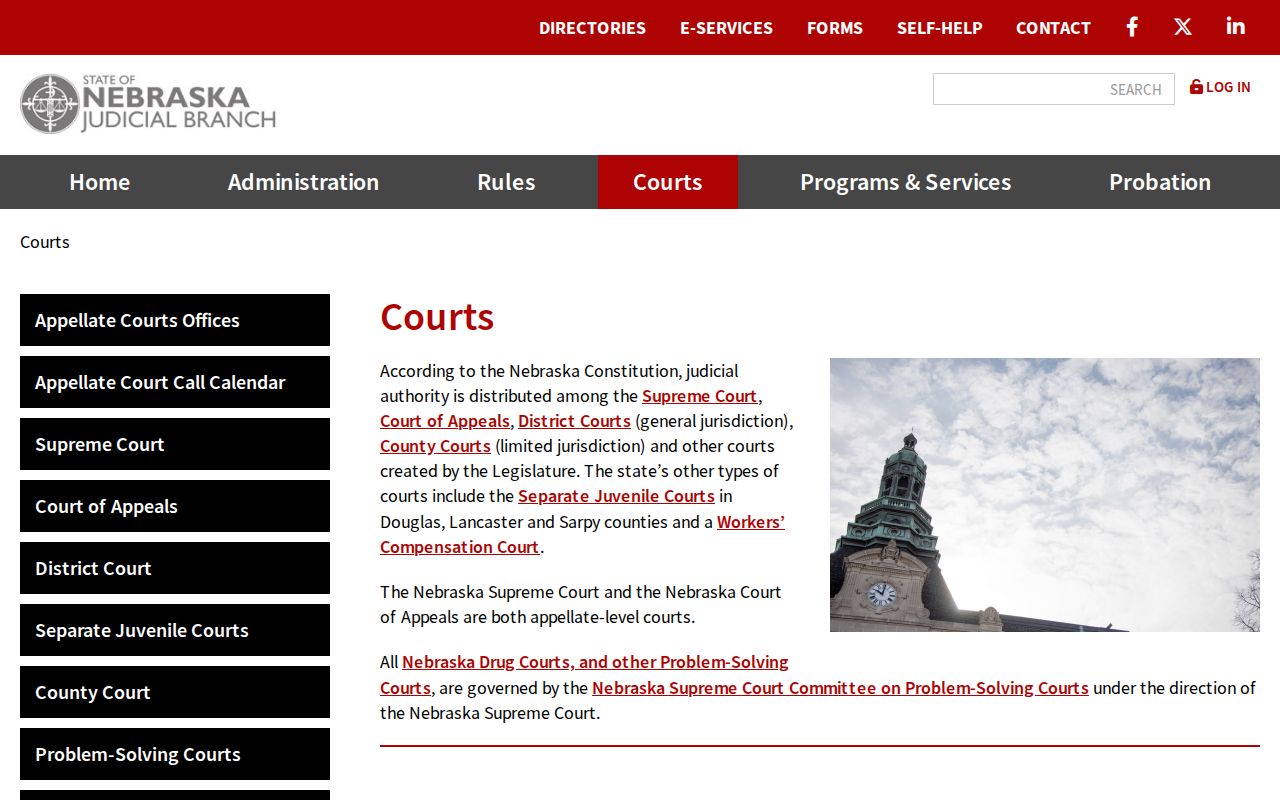
The Nebraska courts overview shows these trial courts sitting beneath the Supreme Court and Court of Appeals. Douglas County has no city-municipal court structure layered on top.
Federal litigation in Omaha belongs to PACER, not JUSTICE. Federal filings never turn into Douglas County state-court docket entries.
Douglas County Civil and Small Claims Limits
Jurisdiction works as a search clue. County Court holds concurrent civil jurisdiction up to $70,000. Small claims stop at $7,500. County Court also keeps the probate, guardianship, conservatorship, and adoption dockets. Bigger civil matters, domestic cases, protection orders, and administrative appeals usually point toward District Court. The Douglas County Court page places the Civil/Small Claims division at the Civic Center. Criminal/Traffic and probate work sit at the Hall of Justice.
That split explains a common dead end. A location or court-type mismatch can return nothing useful from a docket search. It also explains why an ordinance or traffic case tied to Omaha, Ralston, Valley, Bennington, or Waterloo goes through County Court. Douglas County has no separate municipal court docket.
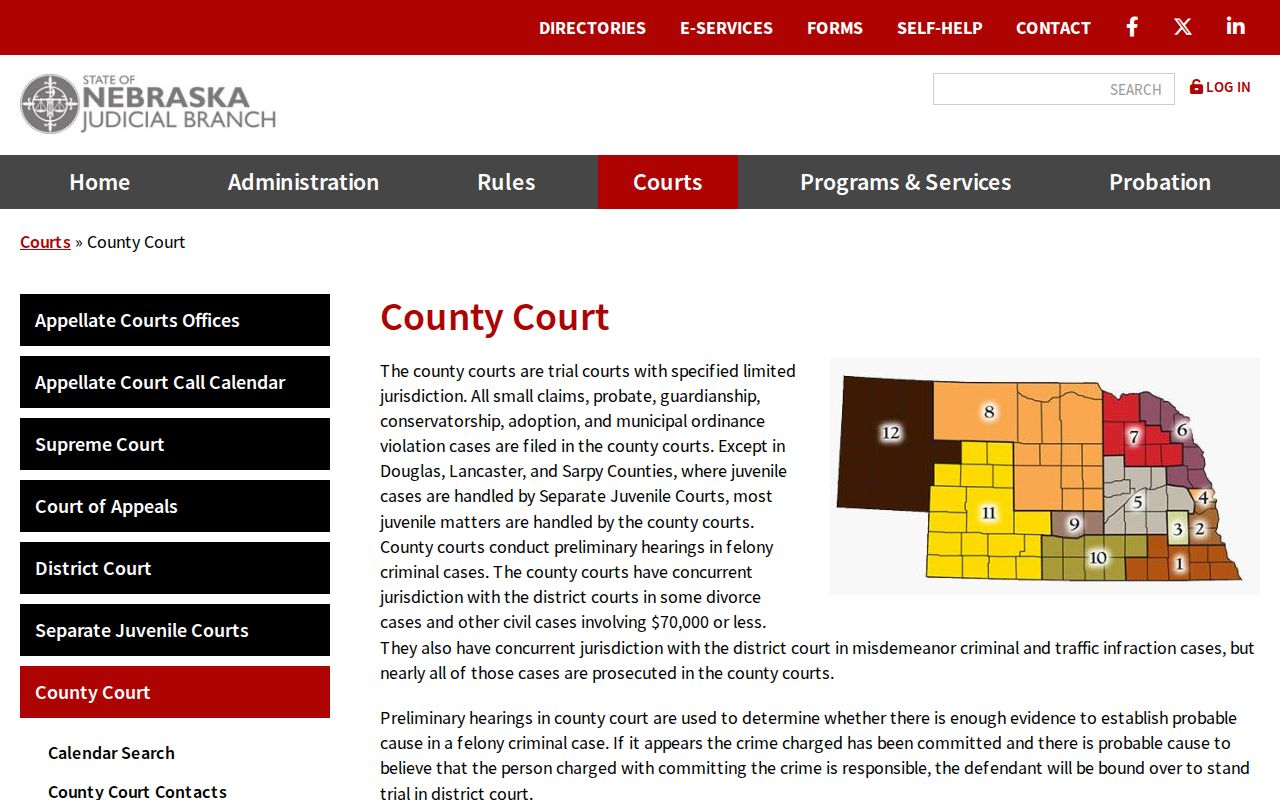
The official Nebraska County Courts information lays out the limited-jurisdiction scope. Douglas County follows that routing.
Case type, not just the city in a caption, controls the search. It tells you which clerk and which court calendar to check.
How to Find Court Dates and Settings
A docket entry can show a setting, a continuance, or a reset. Always confirm the current court date from the newest entry. Check the court that issued it too. The Multi-Court Case Calendar is the free tool for that check. It searches County Court and eligible juvenile settings in Douglas by current or future date. A surname of at least two characters works as well. No account is needed, and there is no fee.
District Court works differently. Search JUSTICE by case number or party name. Check the judge's posted schedule or docket. Call the District Court Clerk or the judge's office if a setting stays unclear. Traffic matters add one more wrinkle. A citation's printed appearance date and its waiver instruction still matter. Court Dates walks through every route in more detail.
Why the State Calendar Excludes Douglas District Court
Douglas sits outside the Multi-Court Case Calendar's District Court coverage. The site says so plainly. That gap is a calendar limit, nothing more. It does not mean no District Court setting exists. The date mode only covers current and future dates. The site itself warns that results may be incomplete, inaccurate, or untimely. So an empty calendar search never replaces looking at the actual District Court case record.
For County Court or juvenile searches, the routine is simple. Pick the court type and select Douglas County. Choose date or last-name searching. Then compare what comes back against JUSTICE. For District Court, go through the record and confirm directly. One more wrinkle deserves mention. A preliminary hearing can happen in County Court before a felony moves to District Court. So one calendar result may capture only part of the path.
Public Access to Court Dockets
Nebraska layers court-specific access rules on top of its Public Records Act. Electronic access can reach litigant indexes, case summaries, party names, Registers of Actions, available images, calendar data, and summary judgment or order information. Limits still apply. Juvenile files, sealed materials, protected addresses, financial identifiers, and other confidential information stay private even when a case has a visible docket entry. A public docket line never unlocks what the rules protect.
Key Rules:
Nebraska Supreme Court Rule § 1-805 permits public electronic access to specified court indexes, summaries, Registers of Actions, images when available, and calendars unless restricted.
Neb. Rev. Stat. § 84-712 provides inspection and copying rights subject to exceptions and generally calls for an access, denial, or estimate response within four business days.
Neb. Rev. Stat. § 84-712.01 includes computer data in the definition of public records.
Nebraska Supreme Court Rule § 6-1464 protects specified personal and financial information in civil court records.
Neb. Rev. Stat. § 43-2,108 limits access to juvenile case files and identifying information.
Rule § 2-210 also covers protected information, redactions, and sealed filings. A caption or Register of Actions can stay public even where a document image is unavailable. Sealed records have their own door: the DC 1:12 process exists for the person whose own record was sealed, not for general requests.
Douglas County Docket Access Options
Searching online is just one channel into Douglas County court records. Nebraska policy also opens JUSTICE public access at county courthouses during business hours. The eServices material points to terminals at the Nebraska State Library, UNL Schmid Law Library, and Creighton's Klutznick Law Library. Douglas County's Law Library sits at 1701 Farnam. Public research computers are listed there for weekday courthouse hours.
When a case is missing, an image is absent, a name search returns too many results, or a certified copy is needed, the clerk holding the record is the next stop. A formal public-record request goes through the State Court Administrator. A normal named-file request goes straight to the court clerk. Those two routes serve different purposes. Either way, state the county, the case number or case name, the document name or date, your delivery choice, and whether you need certification. Also note that Douglas County government is a separate entity from the state court custodian. Its county services are not a court file repository. The county's official site is where those separate government services are described.
Aim the request at the right court clerk. That single step makes it far more likely you reach the actual Register of Actions or file you want.
Docket Records at the Clerk's Office
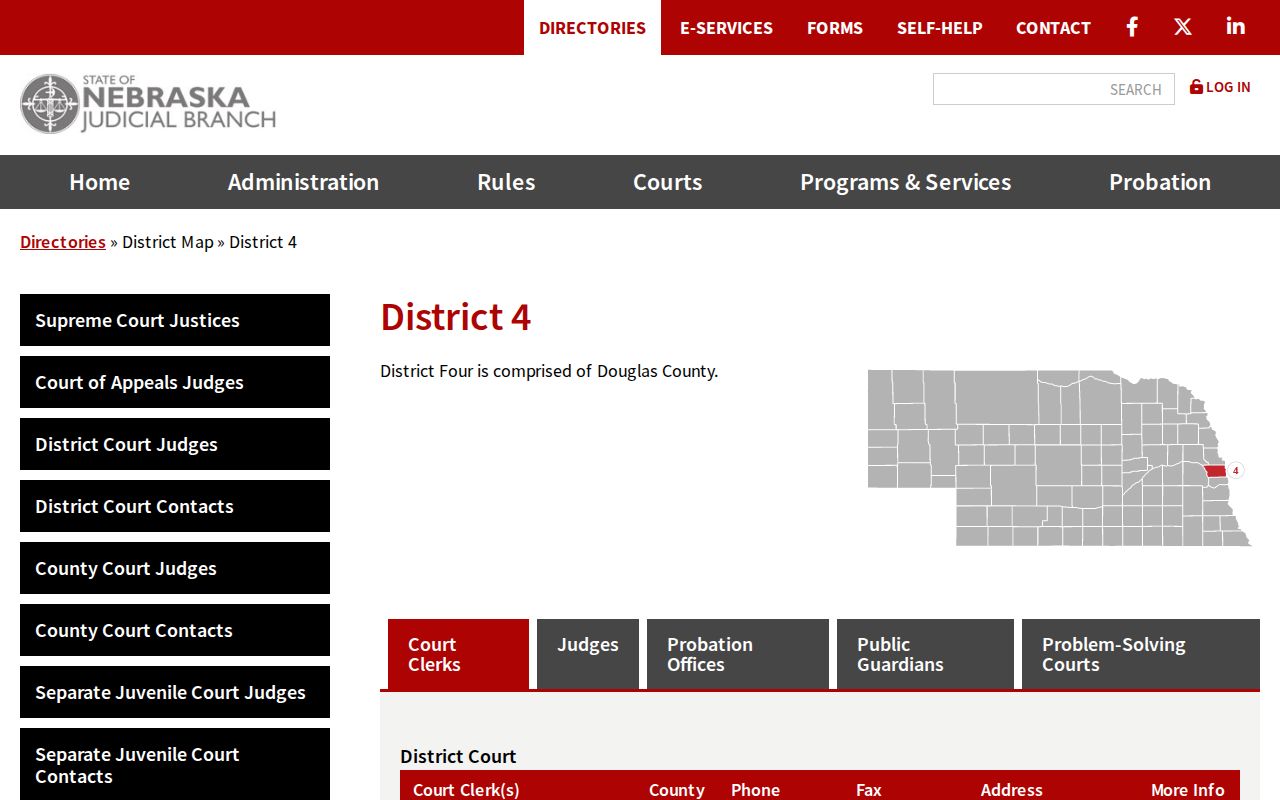
Douglas does not run one do-everything docket clerk. Crystal Rhoades serves as District Court Clerk and Separate Juvenile Court Clerk. Pam Cardenas is the County Court Clerk. The split matters because each office keeps different court records under different access limits, so District, County, Probate, and Juvenile routing decides where your request lands. The Fourth Judicial District directory lists the court contacts and administrators.
Douglas County District Court Clerk
Crystal Rhoades
Hall of Justice, 1701 Farnam Street
Omaha, NE 68183
402-444-7018
Douglas County District Court
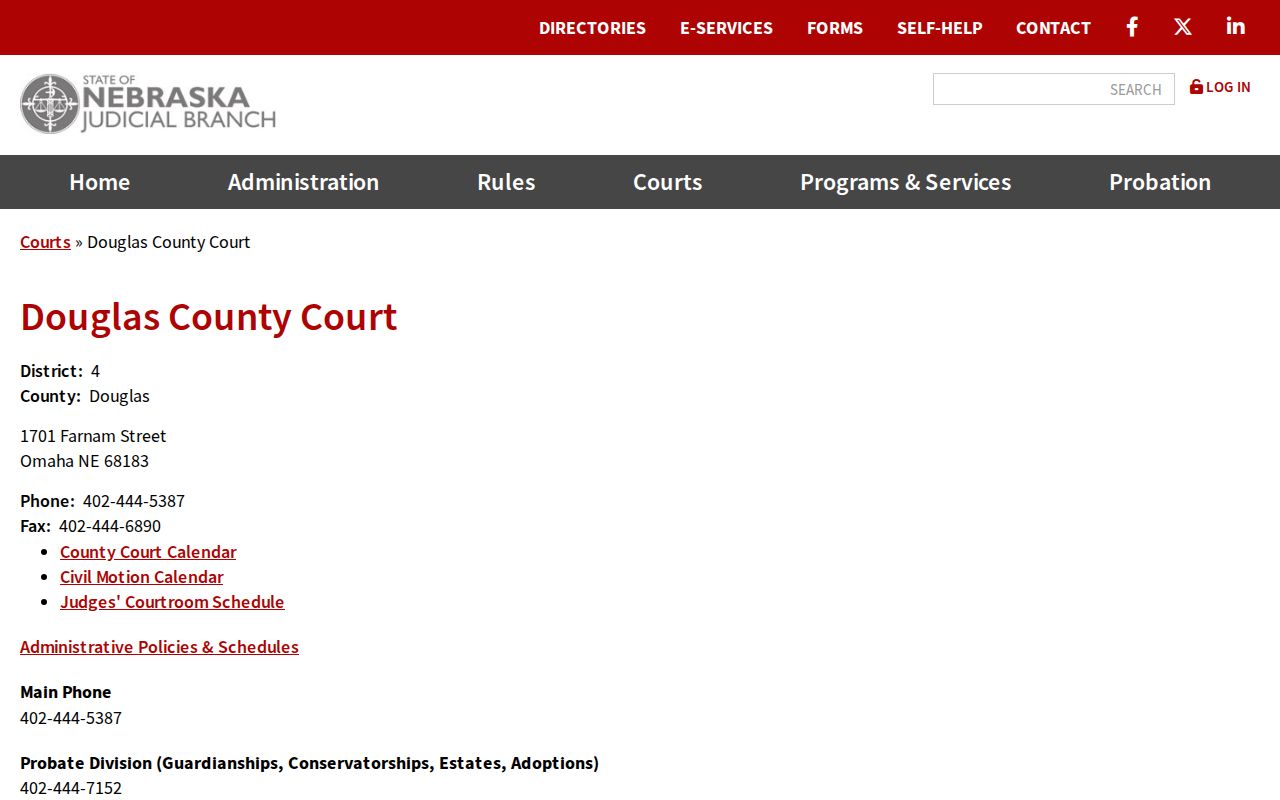
County Court's clerk line is 402-444-5387. Civil/Small Claims at 1819 Farnam is 402-444-5424. Probate at the Hall of Justice is 402-444-7152. Separate Juvenile Court sits at 1717 Harney Street, Room 4-195. Its Juvenile Clerk can be reached at 402-444-7337. Confirm the venue before you mail anything or appear in person. The Fourth Judicial District directory sorts out these Douglas County court offices, their personnel, and contact details.
Routing your request to the right clerk keeps it away from the wrong office. A County Court request has no business landing at District or a confidential juvenile record office.
Douglas County Court Technology and Images
JUSTICE is the trial courts' current case-management system. Douglas's archival materials tell an older story. They describe earlier local systems, including electronic docketing and scanned clerk files going back to 1997. That history does not promise every older document is online. Records may still sit in paper, on microfilm, in an archive, under restriction, or simply not yet imaged.
Access did widen recently. In January 2024 the Judicial Branch extended one-time search access to nonconfidential images for documents filed or uploaded after April 16, 2008. Douglas also hosted the initial Judicial Electronic Exhibit System pilot in 2024. Still, an image you can pull up is not the same thing as a certified record. Only a clerk can issue that. The Douglas County Court's official page names the court divisions whose cases belong to the statewide record system.
No image on the screen? Ask the right clerk. The clerk can tell you the file's medium, its access status, and how to get copies.
Douglas County District Filing Context
Douglas County District Court logged 12,398 filings in FY2023. The breakdown: 2,228 felony cases and 2,127 other criminal. Civil matters came to 3,795, with 74 domestic relations and 26 protection orders. Appellate actions added 171, plus 462 administrative appeals and 3,515 problem-solving court cases. Read these as District Court workload only. It is not a countywide total. County Court traffic, misdemeanor, and probate filings sit elsewhere. So do Separate Juvenile Court matters.
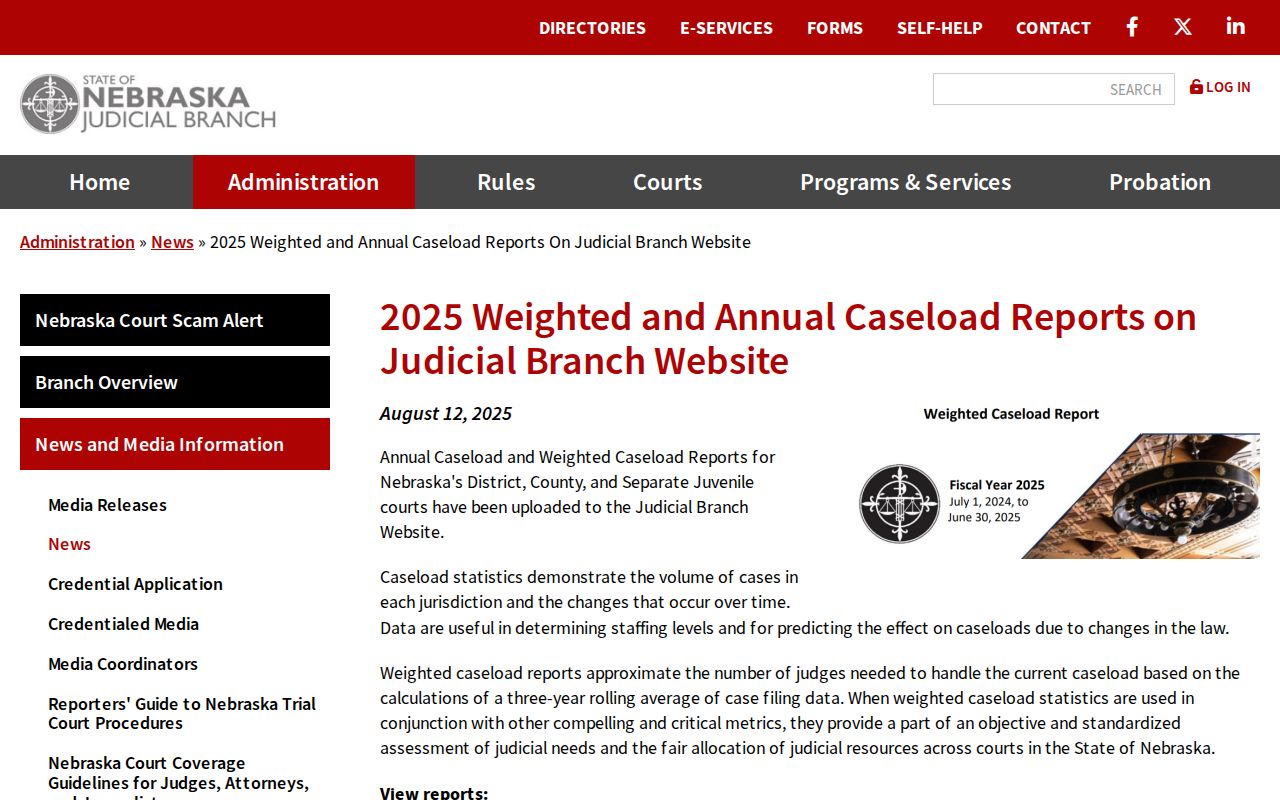
Later, the Judicial Branch rolled out FY2025 annual and weighted caseload reports. These cover District, County, and Separate Juvenile Courts. Treat filing counts as workload data. They are not headcounts of people. They also say nothing about final outcomes.
The Fourth District runs Adult Drug Court, Veterans Treatment Court, and Young Adult Court coordination at the Hall of Justice. When you need the underlying record, the County or District Court case anchors a JUSTICE docket search. Program compliance details may be restricted or logged differently. A Douglas Young Adult Court graduation took place in July 2026. An Adult Drug Court commencement followed in April 2026. Both were public milestones. Neither is a participant database. The FY2025 caseload report announcement opens the newer statewide reporting cycle.
Each court keeps its own totals, so pin down the venue before reading a Douglas County docket search.
Douglas County Court Dockets by City
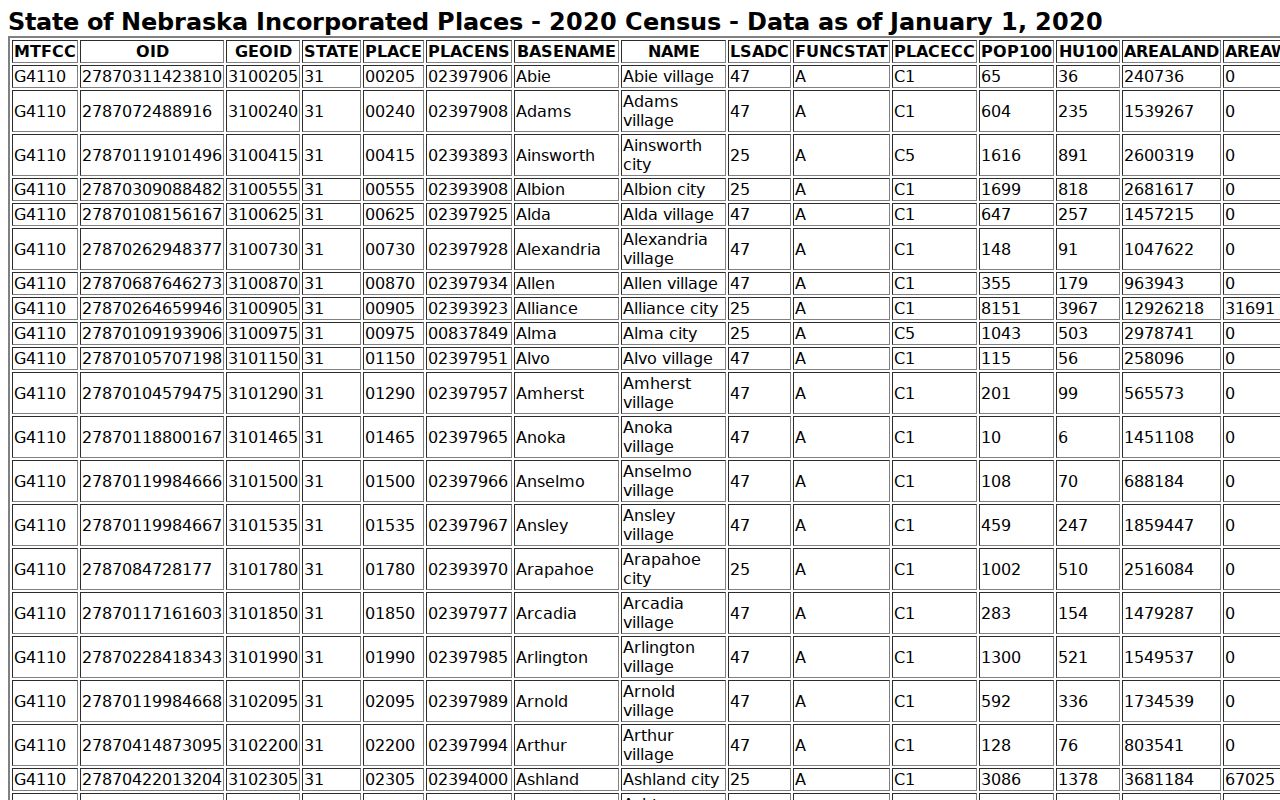
By 2020 Census population, the five largest incorporated places are Omaha, Ralston, Valley, Bennington, and Waterloo. None of them runs its own municipal court. The official court directory lists no city clerk or docket portal for any of the five. County Court handles municipal ordinance violations, traffic, and misdemeanors outright. A city name printed on your citation does not spawn a separate city court docket. City clerks still hold ordinances, resolutions, and city administrative records. The court record itself travels the County Court or District Court route.
Omaha Docket Search
486,051 in the 2020 Census · Traffic and ordinance matters route through Douglas County Court; JUSTICE is the public court-record path.
Ralston Docket Search
6,494 in the 2020 Census · City Clerk records differ from the County Court Register of Actions.
Valley Docket Search
3,037 in the 2020 Census · City-record requests and court-file requests use separate custodians.
Bennington Docket Search
2,026 in the 2020 Census · Municipal code text and a court case record answer different questions.
Waterloo Docket Search
935 in the 2020 Census · Town records do not substitute for a Douglas County Court docket.
Census TigerWeb's incorporated-place table supplies the consistent 2020 population vintage for these five communities.
Waterloo is a village, but incorporation earns it a spot in the five-place ranking. Its small size does not create a separate state-court record path.
Map and Directions to the Douglas County Hall of Justice
Douglas District Court, the county's general-jurisdiction trial court, is housed in the Hall of Justice at 1701 Farnam Street in downtown Omaha. Clerk of the District Court Crystal Rhoades's office keeps the district docket there, and County Court's Probate and Criminal/Traffic divisions share the same building, on the third and second floors. County Court's Civil/Small Claims division sits nearby at the Douglas County Civic Center, 1819 Farnam Street, and the Separate Juvenile Court is a few blocks away at 1717 Harney Street.
Douglas County District Court Clerk
Crystal Rhoades
Hall of Justice, 1701 Farnam Street
Omaha, NE 68183
402-444-7018
Douglas County Court, Civil/Small Claims
Douglas County Civic Center
1819 Farnam Street
Omaha, NE 68183
402-444-5424
Douglas County Court's Probate and Criminal/Traffic counters keep 8:00 a.m. to 4:30 p.m. weekday hours inside the Hall of Justice; the Self-Help Center offers Monday and Wednesday walk-in hours, 10:00 a.m. to 2:00 p.m., near the Law Library on the Harney Street level. No official source publishes a full parking, entrance, or accessibility guide, so confirm those details with the clerk before a visit.